Dal chawal protein
The dal provides most of the protein in the plate, while rice contributes carbohydrates and a smaller amount of protein. Together they also provide complementary amino acids.
Compare dal types and tadka →By [AUTHOR NAME] · FitTrackPro · · Method & sources
A standard plate made with 150g cooked toor dal and 150g cooked white rice is approximately 330 kcal and 11.5g protein before ghee, oil, papad or pickle.
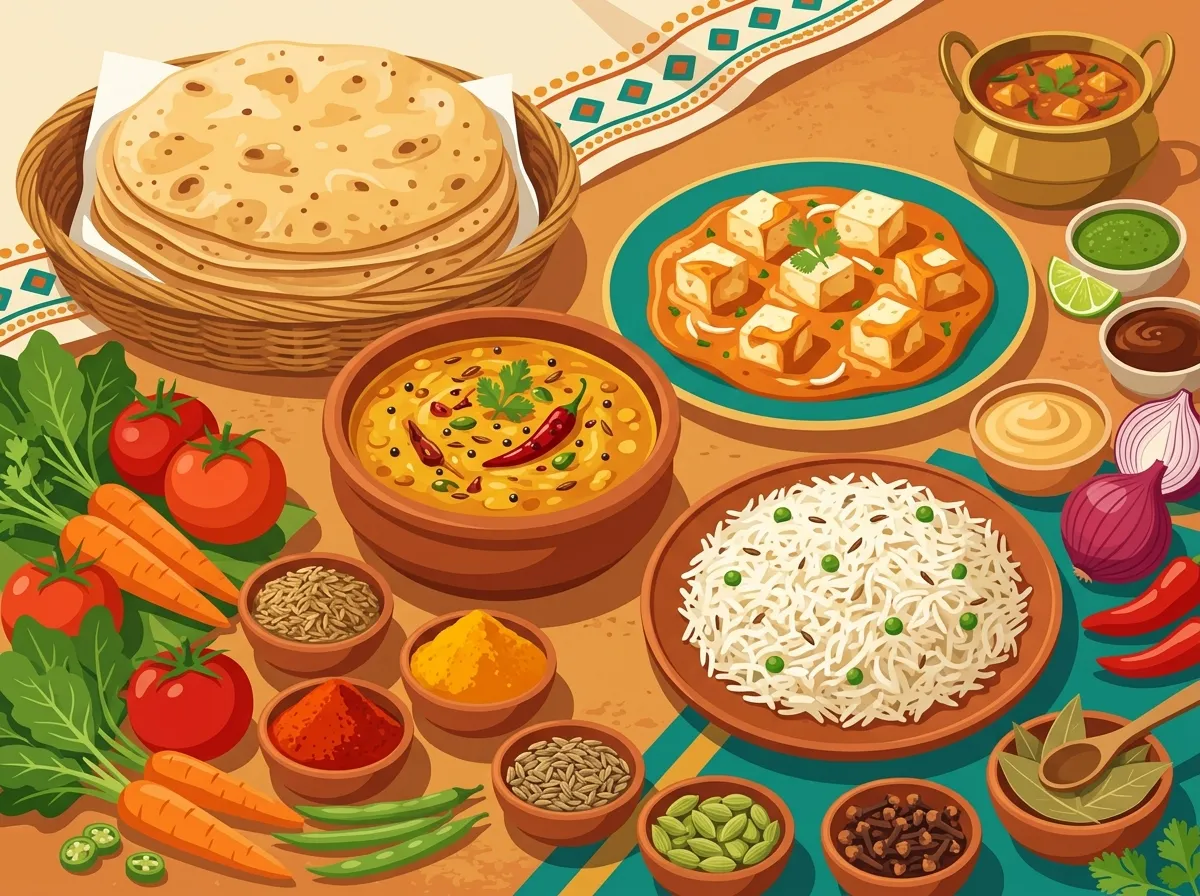
Quick answer
| Plate assumption | Calories | Protein | What changes it |
|---|---|---|---|
| 150g dal + 150g rice | 330 kcal | 11.5g | Plain cooked portions |
| With ½ tsp ghee | 352 kcal | 11.5g | Adds about 22 kcal |
| With 1 tsp ghee | 375 kcal | 11.5g | Adds about 45 kcal |
| Double rice, same dal | 525 kcal | 15.5g | Adds another 150g cooked rice |
This is a portion model, not a universal recipe value. Dal thickness, oil, rice quantity and side dishes can change the result substantially.
The dal provides most of the protein in the plate, while rice contributes carbohydrates and a smaller amount of protein. Together they also provide complementary amino acids.
Compare dal types and tadka →Weigh cooked rice and dal when possible. Track ghee, oil, papad, pickle, curd and vegetables separately rather than hiding them inside a generic “plate” entry.
Build your exact Indian meal →Using 150g cooked dal and 150g cooked rice, about 330 kcal before ghee, oil and sides.
It can fit a high-protein plan, but the portion may need more dal or an added protein such as curd, paneer, eggs or soya depending on your daily target.