>
Indian dairy nutrition

Protein in Curd: Per 100g, Cup & Bowl

By [AUTHOR NAME] · FitTrackPro · · Method & sources

Plain toned-milk curd provides approximately 3.9g protein per 100g. Use the portion converter to estimate calories and macros for your serving, then compare regular dahi with strained hung curd.

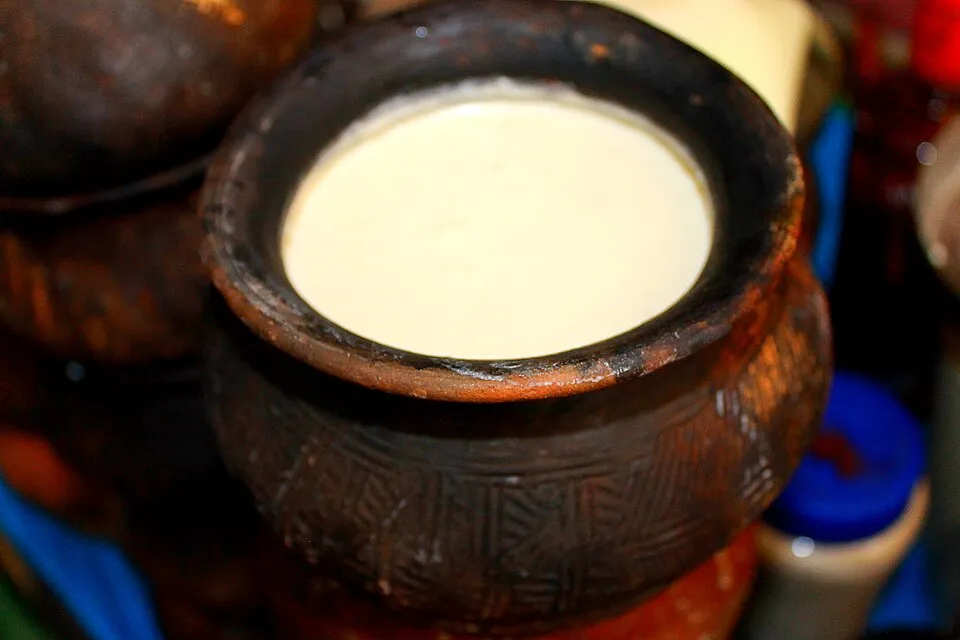
Bowl of plain Indian curd or dahi

Curd portion converter

How much protein is in your curd?

Protein

3.9g

Calories

60

Carbs

4.3g

Fat

3.0g

Estimate for plain fresh curd made with toned milk. Homemade thickness, milk fat and whey separation change the final values.

Curd protein and calories by serving

Use weight whenever possible; cups and katoris vary between homes.

ServingProteinCaloriesCarbsFat
100g plain curd3.9g60 kcal4.3g3.0g
150g katori5.8g90 kcal6.5g4.5g
200g cup7.7g120 kcal8.7g6.0g
100g hung curd10.0g120 kcal4.5g7.0g

Regular curd vs hung curd

Straining removes whey and water, concentrating protein and calories per 100g. Hung curd is useful when you want more protein in a smaller volume, while plain curd is lighter and works well with meals.

Calculate your daily protein target →

Use the number correctly

How to track curd without undercounting

Choose the entry that matches what is actually in your bowl. Plain dahi, sweetened yoghurt, Greek-style yoghurt and hung curd are not interchangeable: straining changes the water content, while sugar, fruit, cream or milk powder changes the final calories and macros.

1. Weigh the edible portion

Place the empty bowl on a kitchen scale, tare it, then add curd. Use grams for the most repeatable estimate. A household cup or katori can hold different amounts depending on its size and how thick the curd is.

2. Match the milk and style

This calculator uses a plain toned-milk curd reference. Full-fat curd may contain more fat and calories; strained curd has less water and therefore more protein per 100g. For packaged yoghurt, the label is the best source.

3. Log additions separately

Sugar, honey, fruit, boondi and seasoning are not included in the plain-curd estimate. Add them as separate ingredients in the meal calculator so the total reflects your actual serving.

Example: a 200g curd bowl

Using this page’s plain-curd reference, 200g provides about 7.7g protein and 120 kcal. If you strain the same product, the finished portion weighs less because water and some whey have drained away; do not apply the 200g plain-curd result to 200g of the final strained product.
Curd protein questions

How much protein is in 100g of curd?

The standardized plain toned-milk curd used here contains about 3.9g protein and 60 kcal per 100g.

Is 100ml of curd the same as 100g?

They are close for everyday tracking, but not identical. Weighing the serving gives a more consistent estimate because thickness and trapped whey affect volume.

Why does homemade curd vary?

The original milk, added milk solids, fermentation and the amount of separated whey all change the final concentration.